

Chicken Thigh Fruit & Veggie Salad
A sweet and savory salad to enjoy

Chicken thigh salad: Arugula, tofu, beets, chickpeas, tomato, red onion raspberry, blueberry. With homemade sauce
This bowl has a lot going on, but it’s still light while being satiating.
Chicken. Buy a pack of organic free range chicken thighs (pasture raised is best if you can get it). Preheat the oven to 425. Put the chicken thighs into a Pyrex. Coat them lightly in enough olive oil so they don’t stick to the dish. Add a pinch of salt to each one (each side), black pepper, onion powder, garlic powder and a touch of cayenne pepper. Add a little water to the dish. Leave them right side up. Cook at 425 for 20 minutes.
Beets. Buy 3-4 loose organic beets. Remove the skin. Cut them into quarters (1/8s if they’re large). Place in a pot, add water so covered by 1-2 inches of water. Add two pinches of salt. 1 tbsp of red wine vinegar. Bring to a boil then reduce to a simmer for 60 minutes.
Chickpeas. Preheat the oven to 350. Drain and rinse one can of organic garbanzo beans. In a bowl mix beans, 1 tbsp olive oil, 2 pinches of sea salt, generous amounts of black pepper, 2 - 3 pinches of cayenne pepper, and lemon juice from 1/2 a lemon if you have it. Line a tray with aluminum foil. Spread beans evenly, not on top of each other. Roast for 13-15 minutes (longer if you’d like a crunchier chickpea).
Homemade Sauces. 1 tbsp Primal Buffalo sauce, 1 tbsp olive oil, 1/2 tbsp red wine vinegar, 1/2 tbsp fig balsamic vinegar, 2 pinches of sea salt.
Assemble. Add a handful of arugula, a handful of blueberries, a handful of raspberries, 1 small sliced tomato, 1 slice of tofu chopped into bite size pieces, and 1 slice of red onion chopped. Add 1 chicken thigh chopped into bite size pieces, 1 handful of beets, 1 handful of chickpeas. Drizzle homemade sauce over the top.
Buon Appetito!!
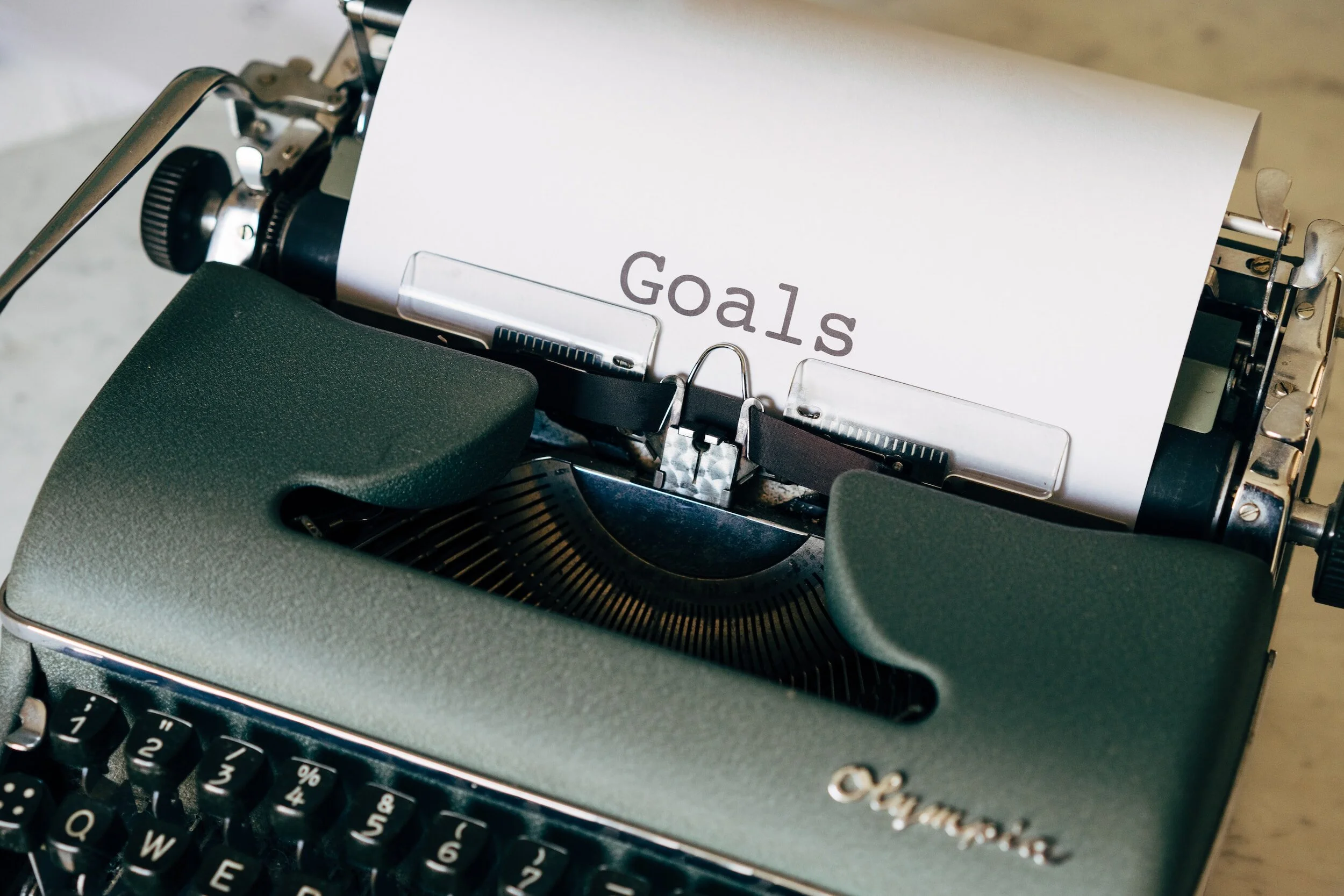
Year In Review And Planning For The Future
Acknowledge your accomplishments, and plan for your dreams
The New Year is here and with that comes the urge to set New Years Resolutions. Feeling that urge a few years ago I sat down to write some resolutions, and ended up with something a little different.
It was just after I had left my job and I was feeling kind of low. A whole year had gone by and there was nothing quantifiable in my life it seemed to reassure me I was doing good. For 10 years my life had been centered around work, and without a paycheck or the potential for a year-end bonus, it felt empty. I knew I had accomplished a lot in that first year away from work, but they weren’t the type of accomplishments I had become used to, so I was having trouble seeing it.
I had raced in my second Ironman. Traveled for 3 months on 3 different continents. I drove across the country for the first time, and found a new home in Los Angeles. I had also read more books than ever before, and started a writing practice (albeit a small and inconsistent one). But alas, none of these things were a measurable form of progress the way watching my bank account grow was, or purchasing a home can be. Things I had become used to seeking.
But still, it was all the things I promised myself I would do when I resigned, and that meant something to me. I decided to sit down and document it all and make it measurable by quantifying it. And that’s when my Year In Review was born.
Now in it’s fifth year, my Year In Review is a simple word document where, for a couple of hours, I get to relish in all the things I’ve done over the previous 12 months. By jogging my memory, and going through notes and photos, I compile a detailed, unstructured, and lengthy document that chronicles the year, leaving nothing off as “too small.”
I include trips that friends and loved ones took to visit me (or me to them). Titles and authors of books I’ve read. Countries I’ve visited for the first second, or third time. New activities I tried, and progress in old ones. Like in 2020 I included a graph of all the miles I swam, biked and ran compared to the year before. I even include great restaurants I was fortunate to dine at.
I also include ideas for new businesses. Websites I launched and subsequently closed. A section for my finances, summarizing my portfolio’s performance, and what I spent the most money on.
That’s all to say, nothing is off limits.
Every year as I go through this exercise a sense of accomplishment steadily comes over me. Seeing everything written down takes it from the abstract and makes it real. The amount of things that we all accomplish in a given year is insane. And by the end I begin to realize that I didn’t waste a year, but rather I kept good on most of the promises I made to myself.
But inevitably, there’s always more to do, and in that first year as I was finishing my list, I naturally started thinking about all the things I wanted to do that had eluded me.
Initially I started writing all of the things I’d failed to accomplish, but then I thought better of it, and instead turned my “failures” into next year’s goals. And that’s when Goals and Plans was born.
Similar to Year In Review, Goals and Plans is about taking the time to think about, visualize and put to paper everything you want to accomplish. I then take it a step further and build out a short, vague plan with quarterly targets. And similar to Year In Review, nothing is considered too small.
My goals have included things as mundane and simple as “read 12 book this year” by “reading 3 books per quarter.” And as audacious as “Outperform the market by 25%”(note: I did not achieve this goal), by “developing a quarterly review and reconciliation process of my investments.”
Not everything comes true. But I’m amazed every time one does. Like this one, “To learn about the food system by working on a farm.” Or my goal to find a life partner in 2021 (this was an actual goal).
When I looked back on my Goals and Plans document, and saw some of my plans realized, I became a believer. While many of my goals were not achieved (like writing my first book in 2021, yikes, that was a long shot), this was proof enough that the system could work. And I’ve continued this practice ever since.
The years fly by and our lives are so busy. It’s easy to think just another year has come and gone, what have I done? It’s easy to think you didn’t get to do all the things you wanted to. Or that you failed because you didn’t stick to your New Year’s Resolutions. Life has a way of throwing us curveballs, and I’d challenge this thinking and say you’ve accomplished a lot more than you think. Maybe not everything you accomplished was on your “to-do” list, but I’d bet that you did way more than you think, if you take the time to reflect on it.
So I challenge you to sit down and in painful detail try and recall all the things you did do.
Brought another child into the world.
Moved towns, cities, homes, jobs.
Attended 6 yoga classes.
Helped take care of a loved one.
Cooked Christmas dinner for the first time.
Took a trip to visit family I hadn’t seen in years.
Invested the maximum into my 401K.
Whatever it is, keep the list running. Even things that we are “supposed to be doing,” get included. And at the end of that list, think about what you still want to accomplish. It doesn’t matter how big and audacious, or how small and trivial, put it all down. Then chart out 1 quarterly target for each goal that you think will help you achieve it.
If you never look back at these document until you sit down to do it again next year, that’s fine. It doesn’t matter. The work is in sitting down and giving yourself all the credit you deserve for the year you had, and giving yourself the time to manifest everything you want.
This is a method that works for me and continues to evolve. I’ve still got plenty of goals to accomplish, but it never gets old to see all that I’ve done, including the unplanned (moved to Colorado), and to get excited for the future. I hope it works for you and helps you better appreciate everything you do, while setting your sights on taking control of your future.
Happy New Year. I know it’s going to be a good one.
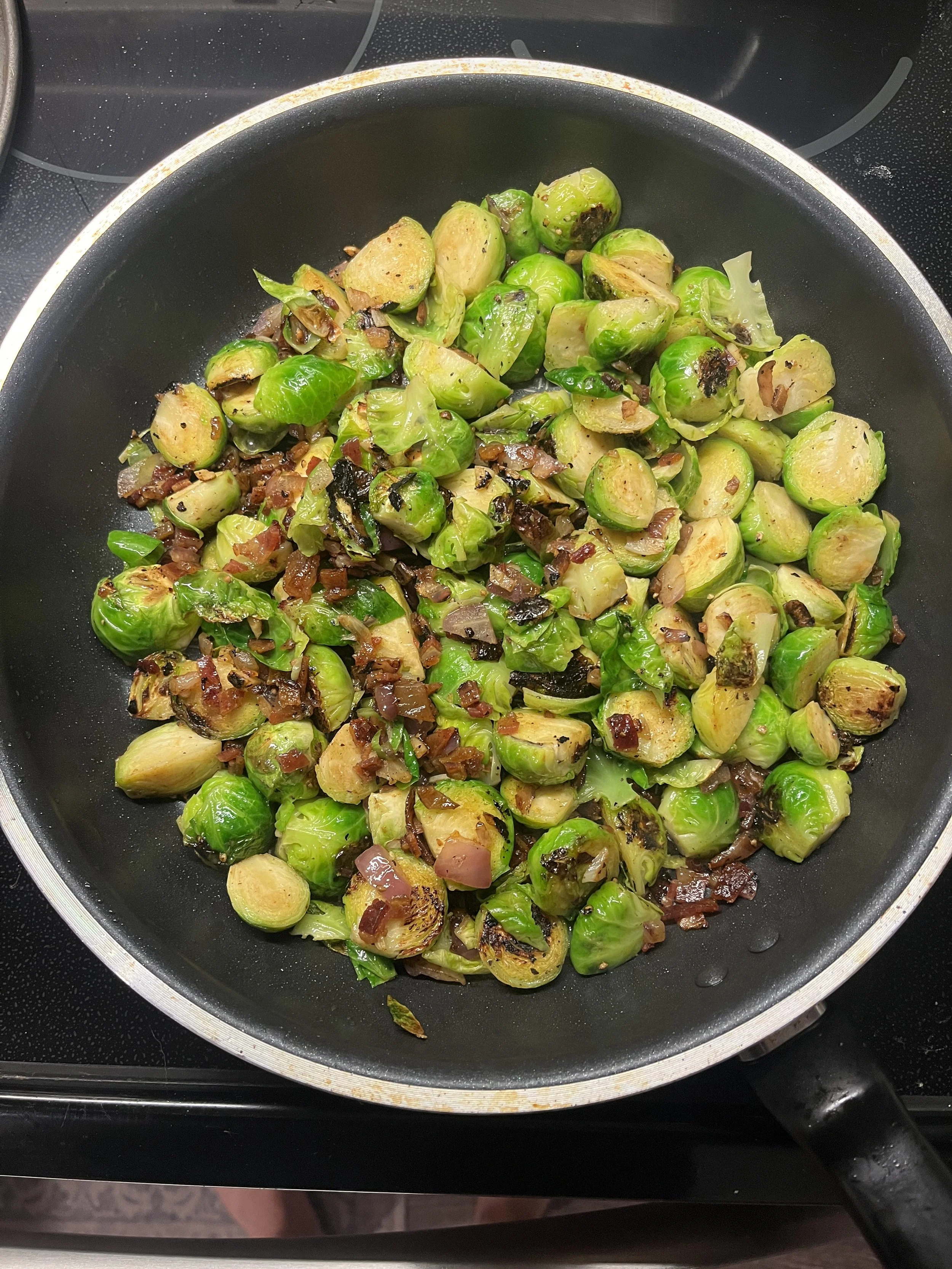
Bacon N Brussels
Quick and easy recipe with a lot of flavor
Brussels sprouts are my favorite vegetable to cook and eat. They absorb flavor really well, they’re easy to cook, and they work well with a variety of flavors. You can sauté, bake or even boil them (although I’ve never tried). And best of all, they are super healthy! This recipe is a tasty way to enjoy brussels!
Bacon n Brussels.
Preheat a pan to medium heat. Add 1 tbsp of olive oil, 2 cloves of garlic and 1 slice of chopped red onion to the pan and cook for 4 - 5 minutes. While that’s cooking, prepare the brussels.

Cut off the stems and then quarter them (please excuse the beet juice on my cutting board).

Toss in a bowl with the sautéed garlic and onion from above. Add 2 tbsp of olive oil and 2 pinches of salt to the bowl and toss.
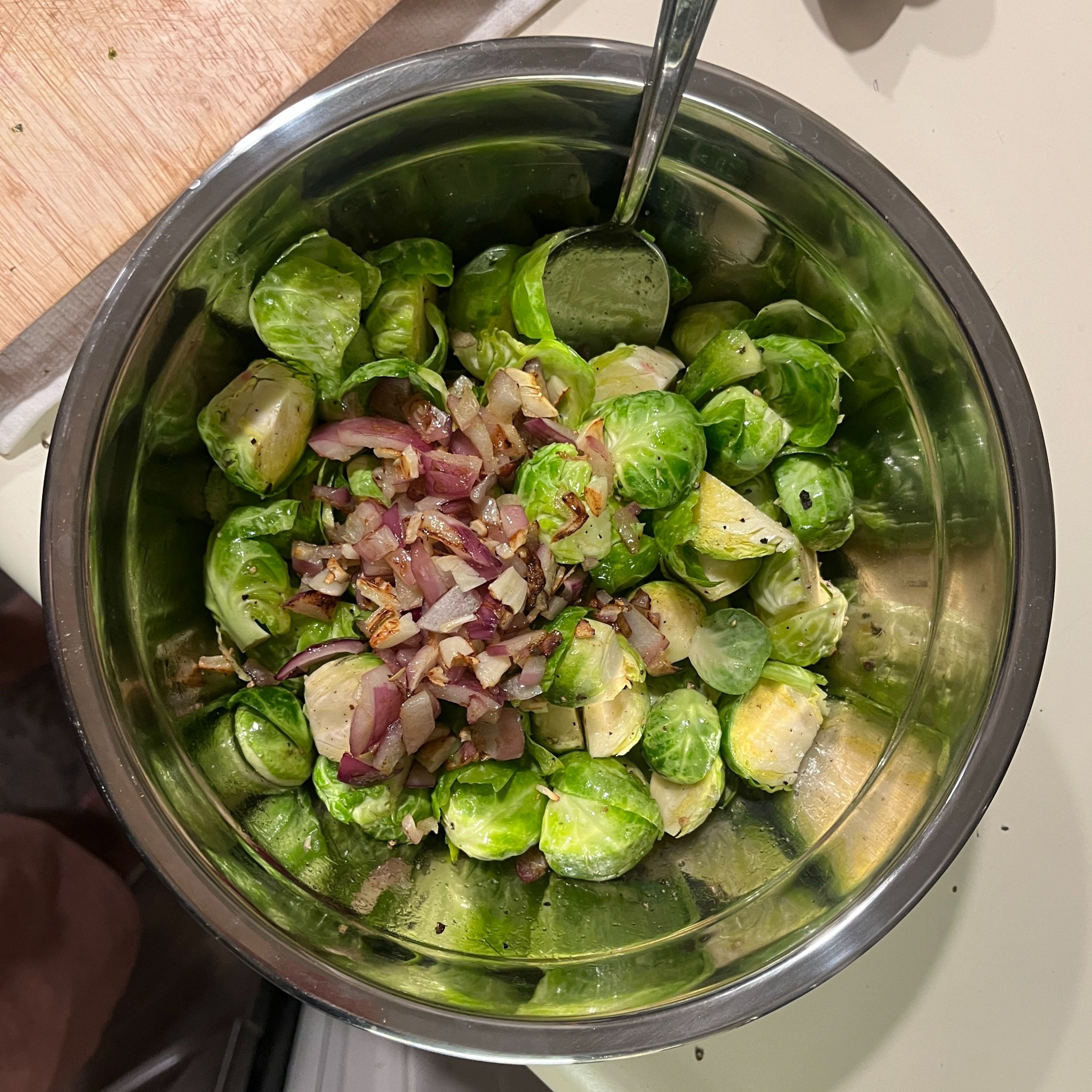
Dump the Brussels into the preheated pan, and add a few splashes of water to create steam. Cover the Brussels and let them cook for 5 minutes. After 5 minutes remove the lid and add 2 pieces of cooked chopped bacon. Add another splash of water and cover for another 4 minutes. Test for doneness and then remove from heat.

Add to your favorite bowl, like this dish with: Hearty lentils, fermented chili chicken thighs, bacon n brussels, chopped raw red onion, olive oil, red wine vinegar and sea salt.

Enjoy!

Shrimp Handrolls at Home
Mushroom, broccoli, avocado, this is a complete dish!

This dish is one of our favorites that we cooked all the time. But we’ve been on the move for almost a year and neglected this dish as a result. I made it the other night for my girlfriend’s birthday and it was even better than I remembered.
Shrimp and Seaweed Handrolls
Argentina wild shrimp (from Trader Joe’s), boiled broccoli, sautéed mushrooms, brown rice, sliced avocado (1/4 per person) and chopped raw red onion (1 slice).
Mix the shrimp, broccoli, mushrooms, brown rice, avocado and red onion in a bowl.
Cut a few seaweed sheets in half. Add a spoonful or two from the bowl, and finish with soy sauce. Wrap the seaweed into a handroll and enjoy!
Cooking Instructions:
Shrimp. The shrimp comes frozen. Thaw 10 - 12 shrimp either overnight in the fridge or on the counter in a bowl. Preheat a pan to med-high heat. Once thawed, pat them dry with a paper towel and put them in a bowl. Add 2 pinches of sea salt, 1 tbsp of olive oil, 1 tbsp of fermented chile paste, and 1/2 a tsp of chili flakes. Mix all together.
Add a 1 tbsp of olive oil to the pan and lay the shrimp down. Cook for 3 minutes undisturbed and then flip and cook for another 3 minutes.
Boiled broccoli. Chop two broccoli crowns into bite size pieces. Bring a pot of water to boil. Add broccoli and let cook for 3 - 5 minutes. Once strained, add the broccoli back to the pot, add 2 pinches of salt and a tbsp of ghee, butter or olive oil and mix.
Sautéed Mushrooms. Bring a pan to medium-high heat. Add a tbsp of olive oil. Slice the mushrooms into quarters (baby bellas or crimini), toss lightly with olive oil (1 - 2 tbsp) and salt (2 pinches, and add them to the preheated pan. Add a few splashes of water and cover. Leave undisturbed for 5 minutes, then toss, cover again, and let sit for another 3 - 5 minutes.
Brown rice. Bring 2 cups of water to a boil then add 1 cup of rice, reduce to simmer and cover. Allow to cook for the cook time on your package (cook time differs for each type).


Try This Move: Uneven Renegade Rows
Work your posterior chain, back, real deltoids and shoulders with this move.
Uneven Renegade Rows
The best match I had was a 30 lb Ruck Plate and a 35 lb Kettlebell. I evened it out by adjusting the reps (2 sets x 5 reps per arm, 1 set x 10 reps per arm).
Stand with your feet about shoulder width, in a comfortable position. Tuck your tail bone, squeeze your glutes, engage your core and hinge to come down towards the weights.
Grab the weights firmly. Lift your chest away from the ground, bringing both weights off the ground.
Start the movement by activating your shoulder, rear deltoid and then lats on one arm, and then lower the weight back down as you keep those muscles engaged. Repeat the movement on the other side.
Make sure to breath and keep your glutes to your rear deltoids engaged.

Salmon Lentil Bowl!
Try this simple salmon and lentil bowl!

Lentils, wild salmon, tomato, avocado, red onion
Lentils. I have a bulk mix of red and green lentils. Depending on what you buy, the cooking time will vary. Check the packaging. These instructions are based on my mix.
Rinse 1 cup of mixed lentils and let them soak for 60 minutes. Add 3 cups of water or vegetable brother to a pot. Add the lentils. Bring to a boil, then reduce to a simmer and cover. Cook for 30 - 40 minutes, covered. Taste for tenderness before removing from heat.
Strain the lentils and return them to the pot.
Wild Salmon. Preheat the oven to 425. Lightly coat both sides of the salmon filet (or filets if cooking multiple) with olive oil. Place the filet skin up on a baking sheet lined with aluminum foil. Add a pinch of salt (or two) to each filet and black pepper. Cook for 8 minutes (longer if desired).
Assemble. Add one ladle of lentils. Add one filet of salmon. Top with 1/4 sliced avocado, 1 small slice tomato and one slice of chopped red onion. Add two pinches of sea salt, 1 tbsp of olive oil and red wine vinegar to taste.
Buon Appetito!!

Lentils and Meatloaf
Lentils, beef patty, brussel sprouts, mushrooms, avocado and red onion
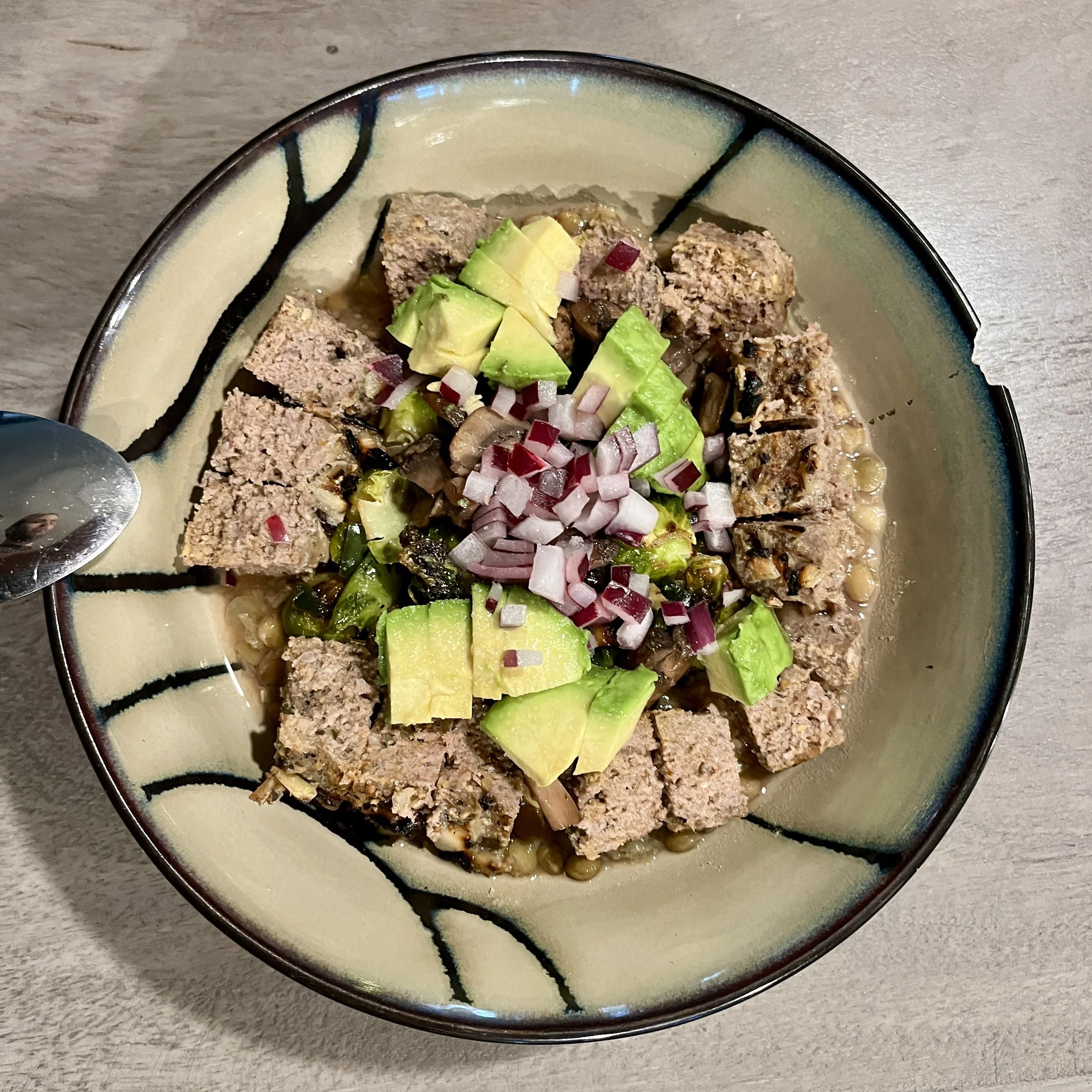
Lentils, ground beef patty, brussels, mushrooms, avocado and red onion.
Lentils. I have a bulk mix of red and green lentils. Depending on what you buy, the cooking time will vary. Check the packaging. These instructions are based on my mix.
Rinse 1 cup of mixed lentils and let them soak for 60 minutes. Add 3 cups of water or vegetable brother to a pot. Add the lentils. Bring to a boil, then reduce to a simmer and cover. Cook for 30 - 40 minutes, covered. Taste for tenderness before removing from heat.
Strain the lentils and return them to the pot.
Beef Patty. Bring a pan large enough to fit the meat to med-high heat, add a tbsp of olive oil. Use 1 lbs of 100% grass fed and finished or pasture raised ground beef. In a mixing bowl add the ground beef, 6 pinches of salt, 6 pinches of black pepper, 2 tbsp mustard, 2 tbsp Primal Buffalo Sauce, 1 egg (beat it before adding it), and 1/4 cup panko bread crumbs. Mix it all together.
Make 4 equal size meatballs using your hands. Add each meatball to the pan individually and flatten until each resembles a hamburger. Cook for 4-5 minutes undisturbed and then flip for another 4-5.
Brussels. Set a pan to medium-high heat. Cut the stems off and quarter or halve them (if bigger). Toss in a bowl with 1 tbsp of olive oil and two pinches of salt. Add brussels to the pan. Add a splash of water to the pan and cover. Let cook undisturbed for 5 minutes. Toss and cover for another 5.
Mushrooms. Organic baby bellas are good. Bring a pan to medium-high heat. Add a tbsp of olive oil. Slice the mushrooms, and add them to the preheated pan. Leave undisturbed for 5 minutes, then toss and let sit for another five.
Assemble. Add 1/2 cup cooked lentils to the bottom of a bow. Chop one patty into bite size pieces. Add a handful of brussel sprouts and a handful of mushrooms. Add 1/4 sliced avocado, and one slice chopped red onion. top with red wine vinegar and two pinches of sea salt.
Buon Appetito!!

A Good Podcast: Tim Ferriss w/ Andrew Huberman
Sleep, stress, light exposure and the benefits to mood and depression.
Sleep, stress, light exposure and the benefits to mood and depression
In this episode Andrew Huberman is very clear, by taking control of our bodies, and moving, we have the ability to turn off stress and take charge of our health. And while their nearly 3 hour conversation touched on a large number of topics, I found the information I learned about fear and anxiety, resetting your circadian clock, and ways to optimize testosterone to be the most interesting and actionable. This was a fascinating conversation that I thoroughly enjoyed.
Fear and Anxiety
“Fear,” Dr. Huberman say, “it’s the anxiety that you feel when you don’t know what behavior can remove a feeling of helplessness in the face of a threat.”
And it’s that feeling of anxiety that activates your sympathetic nervous system, and sets off a cascade of responses in your body you’ve likely felt recently. Liked increase heart rate and respiration, dilated pupils, and a narrowing of your vision.
But, he points out, because, both vision and respiration have a bi-directional relationship with our internal state, we can change one by changing the other. Said another way, by focusing on our breath (exhaling more than we inhale), we can reduce the speed of our heart rate. And by widening our field of vision, like staring off into the horizon, we can reduce levels of alertness and stress, and thereby increase calmness.
Physical activity such as running or weight training can also help to alleviate stress and the body’s response to it, but Dr. Huberman put’s special emphasis on the power of respiration and vision as the fastest, easiest, and most obvious ways to control involuntary arousal, and reduce stress.
In short, we can actually turn off the stress response by changing the way we view our environment, regardless of the environment.
Tips for Optimizing Overall Health
Get your biology right, and start by figuring out your sleep, “the fundamental layer of mental health.” If you need help falling asleep, he recommends the following supplements 30 - 60 minutes before bed:
200 - 400 mg of L-Theanine (note: avoid L-Theanine if you suffer from sleep walking or night terrors)
200-400 mg of Magnesium L-Threonate
50 mg of Apigenin (a derivative of chamomile)
And when you wake up, practice resetting your circadian clock. Focus on “the four most powerful stimulus… (in order).”
When you view first light (2 - 10 minutes of sunlight upon waking up)
Exercise daily
When you feed (eating early helps)
Social cues, interacting with people or animals (your dog) early in the day
Learn how to focus and defocus, have fun and stay in a mode of adventure. Develop a practice like journaling that allows you to “data dump and experience what’s internal.”
Tips For Optimizing Testosterone
Get sleep right (see above), limit chronic stress (see above), and train hard but not too long (overtraining can reduce testosterone levels). And if you’re in need of a boost, he recommends taking 400 mg of Tongkat Ali (helps promote free testosterone) early in the morning, and 425 mg of Fadogia Agrestis (stimulates the testes to produce more testosterone). (I bought the sleep and testosterone stack from Momentous)
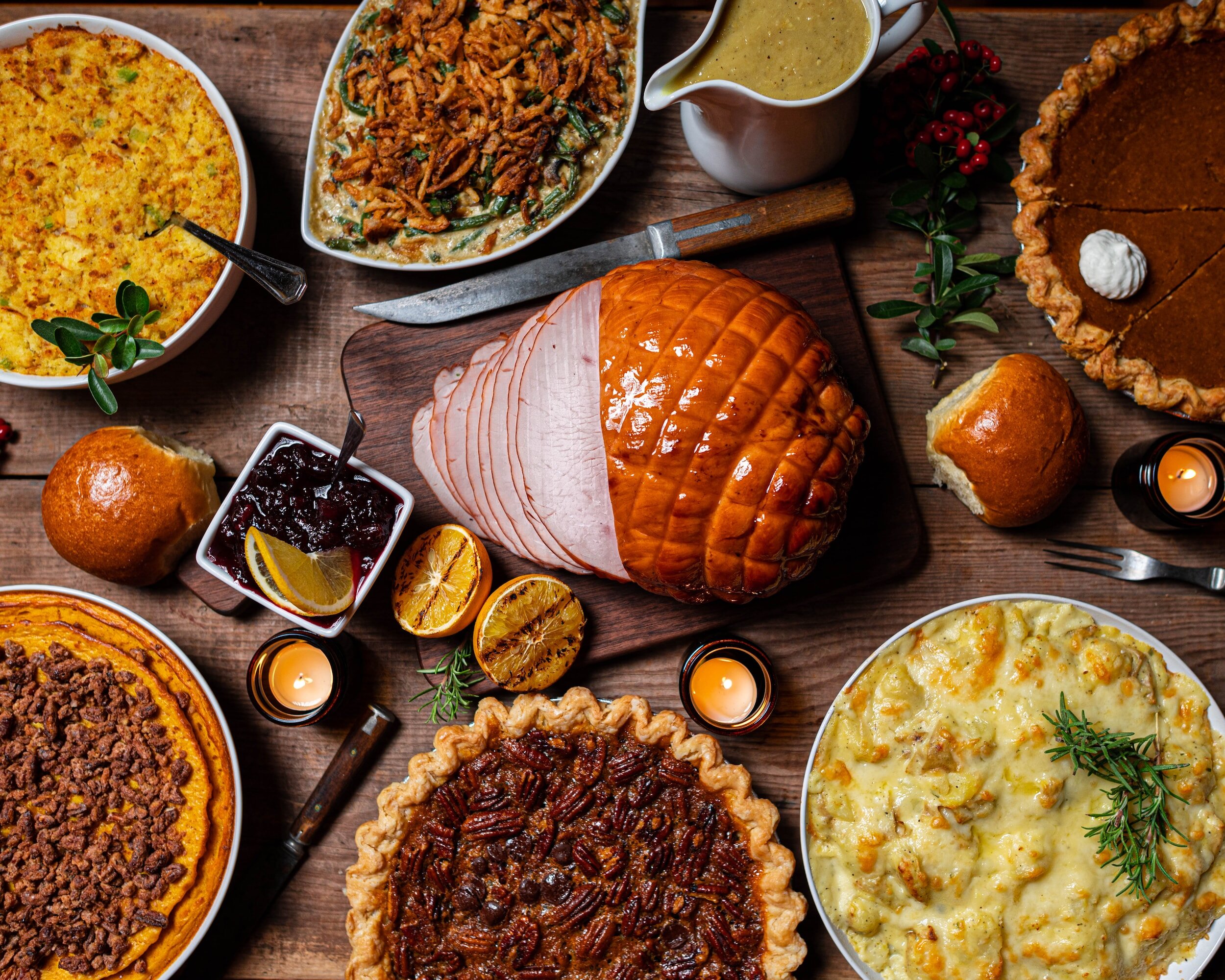
Healthy Holiday Strategies
Tips and approaches to stay focused on your health during the holidays.
In this post, 5 Strategies for a healthy holiday season, Levels Health provides guidance for successful eating around the holidays (advice that could be applied all year). Central to their five strategies is the willingness to put yourself and your goals first. Holiday dinners or meals out with friends are hard because of the unspoken expectation to indulge or else be seen as a pain in the ass (a criticism I know well).
Being the odd one who doesn’t want cake, fried food, or a drink (almost two years now), almost always conjures up ridicule (no matter how small) and feelings of disappointment for not partaking in the feast.
But as this post points out first, the best strategy is “Do you, for you” (advice that’s easier said than done). As humans we have an innate desire to please others, often at the expense of our self. The pressure to pick at hors d'oeuvres, eat seconds, and then sit around watching the game, are all real, and making “Doing you, for you” really difficult.
But it doesn’t have to be that way. Holidays and meals with friends and loved ones can be fun and indulgent, without neglecting your goals.
[You can read the 5 strategies and advice posted by Levels here]
While reading this article I reflected on the top 5 things I follow to stay on track. Here’s my take:
Set intentions often and early. This applies both to the food I’m going to eat and the amount of time I need for exercise each day. Setting intentions ahead of time greatly reduces the chances I’m going to cave to pressure, and it deals a preemptive strike to the inevitable disappointment everyone feels when they realize I’m out.
Don’t go back for seconds. On these occasions, the biggest factor is always how much I eat, not what I eat. One plate with a taste of everything is plenty.
Space out the time between dinner and dessert. After dinner, get up from the table, walk around, or play a game with the kids.
Bookend big dinners with balanced and nourishing meals. It has a double benefit. One, I’ve already addressed a big part of the days nutrition, and two, I don’t go into dinner with big eyes. It keeps me satiated, but still leaves room for tasty carbs.
Go no carb or low carb the day or two following a big meal. The damage is never done at one meal, it’s done over many meals. This strategy helps to rein me in and mitigate the damage.
Bonus: Exercise. I couldn’t finish this post without addressing it. But after 25 years this isn’t a strategy for me, it’s a part of me. But even I can let the guilt of missing time with family impede my gym time. Remember, that the 20 - 60 minutes spent moving will benefit everyone, and it’s too short for anyone to really miss you.
I hope you enjoy the holidays and enjoy some delicious food. I know I’m looking forward to it.
Cheers.

Taking Control of Your Health
Click here: OneSource Health, December 24, 2023
My Favorite: Tim Ferriss and Dr. Andrew Huberman - The Foundations of Physical and Mental Performance
“Know thyself. Use the body to control the mind.” - Andrew Huberman, Ph.D.
In this episode Andrew Huberman is clear, by taking control of our bodies, we have the ability to turn off stress and take charge of our health. And while their nearly 3 hour conversation touched on a large number of topics, I found the information I learned about fear and anxiety, resetting your circadian clock, and ways to optimize testosterone to be the most interesting and actionable. This was a fascinating conversation that I thoroughly enjoyed. Check it out for yourself, and read key takeaways by clicking below.
A Good Book: Black Dog Escape, by William Bach
“The ancient Egyptians believed that when you die, the Gods ask you two questions before they let you into the next world: Did you find joy in life? Did you help someone else find joy in life?”
A few Saturdays ago my girlfriend and I were exploring the Western Slope of Colorado and popped into a local coffee shop. On my way to the bathroom an event being setup grabbed my attention. When I got out I saw that it was a fundraiser and a book signing. I hesitated for a minute, and then walked over.
A Good Podcast: Full Body Preventive Health Care with Andrew Lacy of Prenuvo, How I Built This With Guy Raz
I’d heard of Prenuvo, a company that offers full body MRI scans to detect potential diseases in the body before they become symptomatic, on a podcast a few years ago. They popped back into my conscious recently when I came across this article, How Much Would You Pay For Peace of Mind?, detailing patient complaints of inaccurate reporting, false positives, and an overall feeling of anxiety due to the uncertainty of their scan. So when I saw this episode with Prenuvo co-founder Andrew Lacy, I tuned in to hear what he might have to say in defense.
Good Advice: 5 Strategies for a healthy holiday season, Levels Health
In this post, 5 Strategies for a healthy holiday season, Levels Health provides guidance for successful eating around the holidays (advice that could be applied all year). Central to their five strategies is the willingness to put yourself and your goals first. Holiday dinners or meals out with friends are hard because of the unspoken expectation to indulge or else be seen as a pain in the ass (a criticism I know well).
Challenge Yourself: Four (4) Push Up Variations
Performing different variations of a movement is a good way to achieve progress without worrying about the weight. Check out these four moves for your next workout or the next time your bored.
1 Full Body Workout, 1 Kettlebell
This circuit can be completed in less than 10 minutes, and only requires 1 kettlebell. Give it a try when your time on time, or complete multiple rounds for a more intense workout.
A Beefy Egg Scramble
Check out my one of my favorite meals from the week, and many more by clicking here. Buon Appetito!
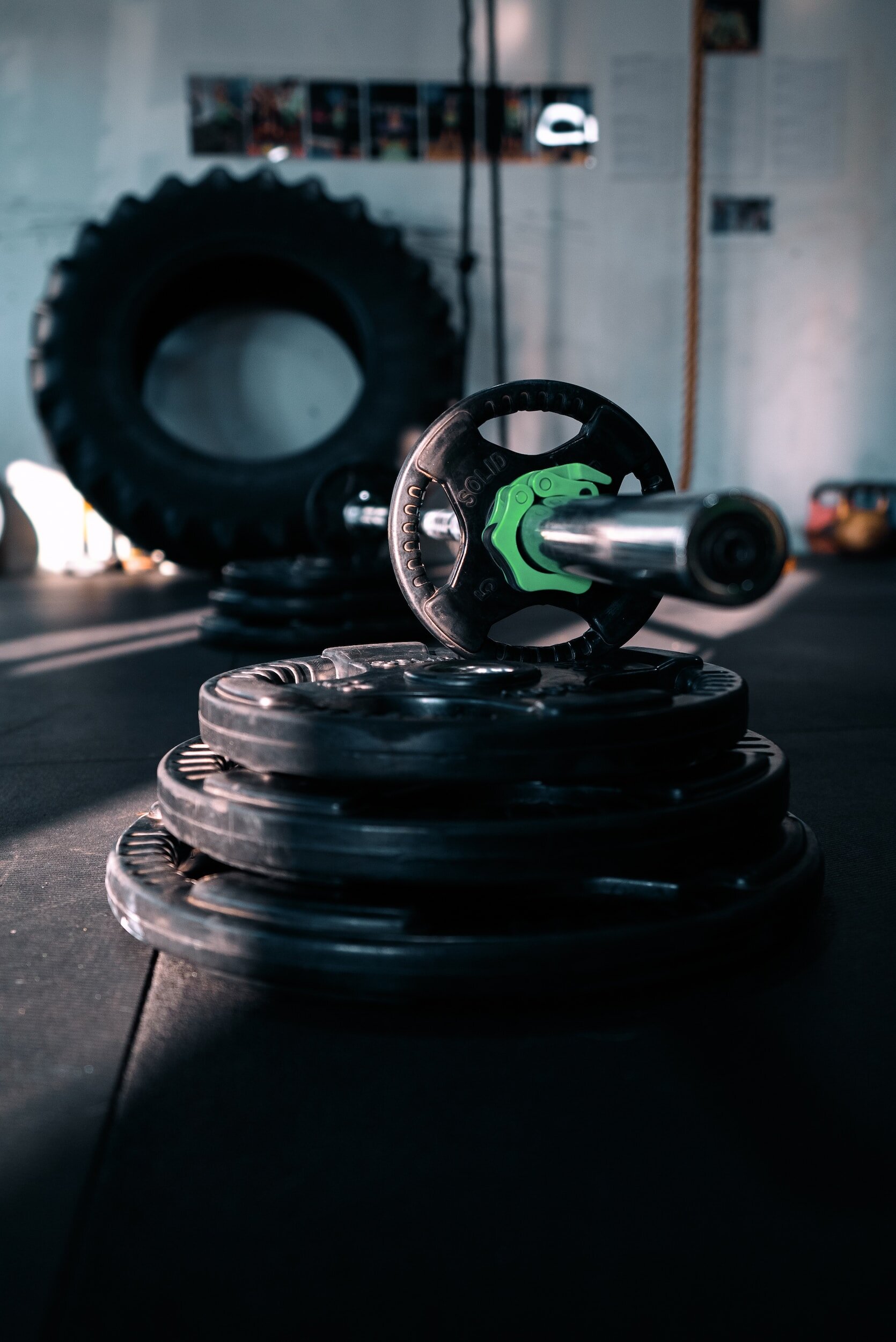
There’s a Perfect Weight For Every Exercise
Nailing the perfect weight for your exercise can be fun and engaging
There’s a perfect weight that pushes you to think about and maintain perfect form, and there’s a weight that pushes you just beyond that point and breaks down your form. And finding that weight is really important.
It’s something I’ve noticed a lot recently, I think in part because I’ve been doing more movements that require a lot of total body engagement. Since some of the moves are new to me, I’ve been intentionally underestimating the weight I start with, so I don’t blow my form before I learn the exercise.
But as I progress the weight, I’ve noticed that when I’m really dialed in, there’s a weight that focuses me and pulls it all together. It happened over the last two weeks as I’ve been working on landmine rotations (kettlebell alternative shown here).
Last week I started with 10 lbs for 20 repetitions (10 per side), which I incorrectly assumed was a light enough place to start. But it was too much, and so on the subsequent two sets I used used just the bar. But that too didn’t feel great and I felt my form suffer throughout the whole ciruit.
So, this week I modified two things.
One, for the first set I backed off the weight and started with just the bar.
Two, I reduced the reps from 20 total (10 per side) to 10 total (5 clean rotations per side).
The difference in the two approaches was profound (at least to me). Starting too heavy with too many reps in week 1 forced me to regress (from 10 lbs to 0 lbs). But in week 2, by making the adjustments above, I was able to make progress (from 0 lbs to 10 lbs).
Even more interesting to me was that 10 lbs on my third set in week 2 hit that form and focus sweet spot, whereas the same weight the week before took away from the movement.
It’s these little things about training and exercise that fascinate me and keep me interested. Consistency is key and I’ve found consistency through making myself aware of even the smallest changes. Cheers.

A Good Podcast: Prenuvo co-founder Andrew Lacy
The future of preventative medicine through whole body MRI imagine
How I Built This With, Guy Raz: Full body preventive health care with Andrew Lacy of Prenuvo
I’d heard of Prenuvo, a company that offers full body MRI scans to detect potential diseases in the body before they become symptomatic, on a podcast a few years ago. They popped back into my conscious recently when I came across this article, How Much Would You Pay For Peace of Mind?, detailing patient complaints of inaccurate reporting, false positives, and an overall feeling of anxiety due to the uncertainty of their scan. So when I saw this episode with Prenuvo co-founder Andrew Lacy, I tuned in to hear what he might have to say in defense.
Prenuvo currently operates 9 locations, 8 in the U.S., and 1 in Canada, with 11 more in the pipeline (they’re coming to Denver in August 2024). For $3,000 and 1 hour of your time you can get a full body scan that can detect things like early signs of cancer, liver disease, aneurysms, and even multiple sclerosis. The preventative medicine industry is now a $250 billion per year market that’s growing, and Prenuvo seems well-positioned to take advantage.
But with change and new technology comes criticism and fear.
Many doctors are sounding the alarm stating that the false positives (16% rate of occurrence) created by scans such as these leave people with anxiety and could result in unnecessary and expensive treatments or surgeries (i.e. removing a benign tumor).
But Andrew Lacy doesn’t see it that way. With 32% of scans revealing a legit abnormality according to a meta-analysis, Andrew see the pros largely outweighing the cons. The difference he says is in their custom software and hardware, specifically designed for fast and efficient whole body scans. He believes that we should be looking at the body as the sum of its parts, not its individual parts (like generic MRIs do). By scanning the whole body they’re able to make connections, like telling you about your heart by looking at your brain.
Change is hard, especially when it has the potential to disrupt a whole industry. As preventative medicine continues its march to eclipse sick medicine, these dinosaur healthcare companies have taken notice, and are doing their best to sow doubt in the minds of would be patients and doctors. The dollars they stand to lose are enormous. Just as one example, ever year we spend $100 billion on late stage cancer drugs. Meanwhile to scan the whole population of the United States every 2 years would only cost $60 billion according to Andrew. Pretty compelling.
There are real concerns, like the potential for false positives, and complaints of poor service and inaccurate reporting (the severity of which increases drastically when it comes to your health). But if there’s one thing that Andrew Lacey is right about, it’s that a whole body approach to your health is essential.
This was another great episode of How I Built This With, Guy Raz.

A Beefy Egg Scramble!
One egg. Meatloaf. Roasted peppers (garlic and onion). Boiled beets. Avocado. Sautéed red onion.

One egg. Meatloaf. Roasted peppers (garlic and onion). Boiled beets. Avocado. Sautéed red onion.
Egg Scramble. Chop 1 beef patty or 1 meatloaf square into bite size pieces and add it to a bowl with one egg (I only had one, I would’ve preferred two), a handful of chopped roasted peppers, 1.5 beets chopped into bite size pieces, 1/4 avocado sliced. In a pan heated to medium, add 1 tbsp of olive oil and 1 slice of chopped red onion. Allow to cook for 5 minutes and then add the contents of the egg bowl mixture. Cook 3 - 5 minutes before flipping to cook for another 3 - 5.
Your Bowl: Add the scramble from the pan into a bowl. Top with a generous amount of red wine vinegar and 2 pinches of sea salt, or any hot sauce or other topping you’d enjoy.
Buon Appetito!!
Cooking Instructions:
The Meat. Bring a pan large enough to fit the meat to med-high heat, add a tbsp of olive oil. Use 1 lbs of 100% grass fed and finished or pasture raised ground beef. In a mixing bowl add the ground beef, 6 pinches of salt, 6 pinches of black pepper, 2 tbsp mustard, 2 tbsp Primal Buffalo Sauce, 1 egg (beat it before adding it), and 1/4 cup panko bread crumbs. Mix it all together.
Make 4 equal size meatballs using your hands. Add each meatball to the pan individually and flatten until each resembles a hamburger. Cook for 4-5 minutes undisturbed and then flip for another 4-5.
Or, make this Meatloaf and use 1 square for this dish.
Roasted Peppers. Bring a pan to medium-high heat. Chop 1 slice of onion, 2 cloves of garlic and 1 jalapeño pepper. Add to the pan with 1 tbsp olive oil and two pinches of salt. Cut out the core of three peppers (red, yellow and orange) and slice into 1/8 inch strips. Toss in a bowl with 1 tbsp olive oil and 2 pinches of salt. Add to the pan once the onion, garlic, jalapeño combination starts to give off an aroma. Cook for 15 - 20 minutes depending on how you like your peppers, flipping every 5 minutes.
Boiled Beets. Buy 3-4 loose organic beets. Remove the skin. Cut them into quarters (1/8s if they’re large). Place in a pot, add water so covered by 1-2 inches of water. Add two pinches of salt. 1 tbsp of red wine vinegar. Bring to a boil then reduce to a simmer for 60 minutes. Make sure you can easily pierce them with a fork before removing from water.
Remove them from water but keep the water you boiled them in. This water now contains all the nutrients that escaped the beets during the process. Put it in a jar in the fridge and enjoy it as a slightly sweet cold drink later in the day.

A Good Book: Black Dog Escape
An enjoyable and insightful read
“The ancient Egyptians believed that when you die, the Gods ask you two questions before they let you into the next world: Did you find joy in life? Did you help someone else find joy in life?”
A few Saturdays ago my girlfriend and I were exploring the Western Slope of Colorado and popped into a local coffee shop. On my way to the bathroom an event being setup in the back grabbed my attention. When I got out I saw that it was a fundraiser and a book signing. I hesitated for a minute, and then walked over.
It was a local fundraiser for veterans. The book signing was for Black Dog Escape, written by former Navy SEAL, William Bach. He was selling his book and donating the proceeds to the cause. We struck up a conversation with him and his wife and ended up chatting for a while. It turns out we had a lot of common interests. Before leaving I bought a signed copy from him.
Black Dog Escape is about a former Navy SEAL fighting the demons of war and trying to make a new life for himself after retiring from combat. The main character, Jack, gives all the outward impressions of a normal guy. He owns a local book shop, likes to go crabbing, and is a regular in town. But on the inside he’s tormented by what he’s seen and done in war.
As Jack is searching for answers to heal his trauma, an adventure and love story begins to unfold around him. But the Black Dog won’t relent and keeps nipping at his heels.
While the story is told from a veterans point of view, I found that there was a lot that related to the every day lives of non-combat citizens as well. We all have something that tugs at our happiness, that can bring us into a dark place.
As Plato says and WL Bach quotes midway through the book, "Be kind, for everyone you meet is fighting a hard battle."
For Jack, it’s his trauma from the war, and for the rest of us it could be childhood trauma, a devastating loss, or a bad breakup.
I chose to read Black Dog Escape this week to take a break from all the self-improvement and health related books I’ve been immersed in this year. Turns out I didn’t get much of a break from learning, but at least the lessons here were taught through a well written and entertaining story. I pulled out a lot of wisdom that I’ll definitely be remembering throughout my life.
When I walked over to that fundraiser table I was nervous about getting pulled into a commitment (financially or otherwise) that I wouldn’t be able to say no to, and for that reason I almost walked right by. But I fought that urge and I’m glad I did. Because I got to meet a really impressive couple, and I got a great book out of it. The uncomfortable thing can be rewarding.
Enjoy.

Spaghetti and Meatballs
Try this veggie packed take on spaghetti and meatballs

Spaghetti, meatballs, beets, broccoli, mushrooms, avocado, red onion
This dish has a lot going on. I wanted pasta, but I also wanted to balance the carbohydrates to limit my glucose spike, so I added a bunch of fiber and fat to the dish. It worked. My glucose remained steady. Try this dish.
Spaghetti. Follow instructions on your package. We used Rao’s. A good choice because it only contains two ingredients: durum semolina flour and water. Cook time is 11 minutes if choosing this pasta.
Meatballs. Bring a pan large enough to fit the meat to med-high heat, add a tbsp of olive oil. Use 1 lbs of 100% grass fed and finished or pasture raised ground beef. In a mixing bowl add the ground beef, 6 pinches of salt, 6 pinches of black pepper, 2 tbsp mustard, 2 tbsp Primal Buffalo Sauce, 1 egg (beat it before adding it), and 1/4 cup panko bread crumbs. Mix it all together.
Make 4 equal size meatballs using your hands. Add each meatball to the pan individually and flatten until each resembles a hamburger. Cook for 4-5 minutes undisturbed and then flip for another 4-5.
Or, use this recipe.
Beets. Buy 3-4 loose organic beets. Remove the skin. Cut them into quarters (1/8s if they’re large). Place in a pot, add water so covered by 1-2 inches of water. Add two pinches of salt. 1 tbsp of red wine vinegar. Bring to a boil then reduce to a simmer for 60 minutes.
Broccoli.Chop two broccoli crowns into bite size pieces. Bring a pot of water to boil. Add broccoli and let cook for 3 - 5 minutes (taste test before removing from water). Once strained, add the broccoli back to the pan, add two pinches of salt and a tbsp of grass-fed butter, and mix.
Mushrooms. Organic baby bellas are good. Bring a pan to medium-high heat. Add a tbsp of olive oil. Slice the mushrooms, and add them to the preheated pan. Leave undisturbed for 5 minutes, then toss and let sit for another five.
Assemble. Add a handful of pasta. One beef patty or beef square chopped into bite size pieces. One and a half beets, chopped. Handful of broccoli. Handful of mushrooms. 1/4 sliced avocado. 1/2 slice of chopped red onion. Top with red wine vinegar, 1 tbsp of olive oil, and 2 - 3 pinches of sea salt!
Buon Appetito!!

Meat and Purple Potatoes
Ground beef patty, purple sweet potato, and veggies

Ground beef patty, with purple sweet potato, mushroom, zucchini and broccoli.
Ground Beef Patty. Bring a pan large enough to fit the meat to med-high heat, add a tbsp of olive oil. Use 1 lbs of 100% grass fed and finished or pasture raised ground beef. In a mixing bowl add the ground beef, 6 pinches of salt, 6 pinches of black pepper, 2 tbsp mustard, 2 tbsp Primal Buffalo Sauce, 1 egg (beat it before adding it), and 1/4 cup panko bread crumbs. Mix it all together.
Make 4 equal size meatballs using your hands. Add each meatball to the pan individually and flatten until each resembles a hamburger. Cook for 4-5 minutes undisturbed and then flip for another 4-5.
Sweet Potato. Place a purple sweet potato in a microwaveable dish. Cover it in a wet paper towel. Add a 1/2 inch of water to the dish. Microwave for 8-10 minutes (or until done). Peel the potato and cut it up into small pieces. Mix in a bowl with two pinches of salt and a tbsp of ghee.
Mushrooms. Organic baby bellas are good. Bring a pan to medium-high heat. Add a tbsp of olive oil. Slice the mushrooms, and add them to the preheated pan. Leave undisturbed for 5 minutes, then toss and let sit for another five.
Zucchini. Bring a pan to medium heat. Chop one slice of yellow onion and two cloves of garlic. Add to the pan with 1/2 tbsp of olive oil and two pinches of salt. Chop a zucchini in half down the middle. Then chop the halves in half length wise. Then cut into bite size (1 inch) pieces. Toss in a bowl with 1 tbsp olive oil and two pinches of salt. Once the garlic and onion are fragrant, add the zucchini to the pan. Add a splash of water and cover. Let cook for 3-5 minutes. Uncover and flip, then cover again and let cook for an additional 3-5 minutes (until done).
Broccoli. Chop two broccoli crowns into bite size pieces. Bring a pot of water to boil. Add broccoli and let cook for 3 - 5 minutes (taste test before removing from water). Once strained, add the broccoli back to the pan, add two pinches of salt and a tbsp of grass-fed butter, and mix.
Assemble. Add 1/2 a sweet potato to the bowl. Add 1/2 a handful of each the mushrooms, zucchini and broccoli. Cut one ground beef patty into quarters and add that. Top with red wine vinegar, Ume plum vinegar and 2 - 3 pinches of sea salt.
Buon Appetito!!

Blueberry Pancake Breakfast
Healthy, quick and delicious pancake breakfast

Birthday pancakes.
Pancake mix. We used Birch Benders Paleo pancake mix. Follow the instructions on the back (1 cup mix to 3/4 cup water), add an egg (it adds a nice fluffiness to it), 6 pinches of chia seeds, and 6 handfuls of blueberries, and mix. Bring a pan to medium heat, and add 1 tbsp of grass-fed and finished butter. Add two ladles worth of mix to the pan and cook for 3 - 5 minutes, flip and allow the other side to cook for an additional 3 - 5 minutes. Repeat with all of the mix.
Assemble. Add 2 - 3 pancakes to your plate. Butter your pancakes with ghee. Add a pinch of chopped walnuts. Add a pinch of cocoa nibs. And a handful of raspberries. Drizzle with maple syrup! And indulge!
Buon Appetito!

My Meditation
Unconventional forms of meditation that work (for me)
I have five forms of meditation that I currently use in my practice. Although if you ask a purist (or my girlfriend) they would likely not consider them meditation at. But they work for me, so, who cares.
A mantra. Sitting cross legged on the floor (with or without back support) I breath and repeat to myself: in through the nose, fill up your lungs, out through your mouth, feel it on the lips. In through the nose, fill up your lungs, out through your mouth, feel it on the lips. I repeat this mantra as many times as necessary or until a 10 minutes timer goes off.
Reading early in the morning. I’ve found that nothing centers my day like reading for an hour or finishing a chapter in the morning. Sitting down with a book is the first thing I do after getting the morning’s routines (bathroom, coffee, walk the dog) out of the way. I try to do this every morning.
Sauna. Sitting cross legged quiet in a sauna puts me into a trance like no other. I like to sit with my thoughts (not meditation I know) or repeat the mantra from above and do some clearing of my mind.
Sensory deprivation tank. This isn’t so much a method of meditation but an easy way I find to get into a deep state of calm. I might repeat the mantra above, or I might go through my thoughts trying to bring each one to closure.
Thinking in complete sentences. This is one I stole from a Tim Ferriss Show episode, although I can’t recall the episode. Tim was speaking about a friend who told him he meditates by thinking in full sentences. When I heard this it didn’t make much sense right away. But as I began to practice, I realized how often I cut off my own sentences in my mind, and jumped to the next one. This practice has been one of my favorites and has helped me communicate, read, write, think and focus better.
These are my practices and they wouldn’t all (if any) be considered conventional, or formal, meditation, but this is what works for me. Two weeks ago I started working with Sam Harris’ Waking Up App which teaches you how to meditate, plus provides additional mindfulness tools. For a week straight (the free trial period) I woke up with the Waking Up app (😃) and properly meditated for 10 minutes (probably my third or fourth attempt at formal meditation). In that week I learned a lot, and is actually how I developed the mantra above. But I wasn’t ready for the full course, and so I let the trial expire. But I learned something to take into my practices. Which is kind of the point.
The point is your practice (whether it be exercise, reading, writing) needs to work for you. The goal is to find what you like and will engage with, which will require trying different methods and other people’s practices. Then taking the pieces that work for you, and leaving what doesn’t. And incorporating those pieces into your practice, until they no longer serve you.
Don’t worry if it’s not conventional, or if it’s something that no one else does. Practices are highly individualized and change. Your goal is to work on you and that will only happen if you find your path.
Seeking Happiness, Fighting Muscle Loss, and more
Click here: OneSource Health, December 17, 2023
“It’s your road and yours alone,” wrote the Sufi poet Rumi. “Others may walk it with you, but no one can walk it for you.” (excerpt from Strength to Strength)
A Week of Happiness with Arthur Brooks, Ph.D.
Last week Peter Attia, MD drew me into an episode of The Drive with a title: The Science of Happiness. The podcast guest, Arthur Brooks, Ph.D., was new to me, but I enjoyed their conversation so much that I decided to read one of Dr. Brooks’ books, From Strength to Strength: Finding Success, Happiness and Deep Purpose in the Second Half of Life.
Now contrary to what it may seem like, I actually wasn’t looking for advice on how to be happy and succesful in the second half of my life. I chose this book because it was the most reviewed of the 6 he’s written. And it’s a good thing I did, because as it turns out, according to Dr. Brooks, the sun has already started to set on the first half of my life.
A Good Podcast: Sarcopenia - Strategies To Maintain Muscle Mass As We Age
Nothing motivates the gym rat in me like knowing that 7 years ago I started losing muscle. Sarcopenia, the loss of muscle mass as we age, begins at around age 30. Yikes! In this short 30 minute episode EC Synkowski provides tips and tricks to slow down the process.
Read key takeaways from the episode here…
A Good Article: Reassessing The Relationship Between Alcohol Intake and Cardiovascular Disease Risk
Alcohol is a drug that continues to fascinate me. With all of the rules, regulations and laws surrounding most other drugs, alcohol, despite it’s long list of harmful side effects, remains abundantly available and endlessly promoted across all media. In this article Peter Attia, M.D. discusses the increased risk of cardiac disease (the #1 cause of death in this U.S.) from even low levels of alcohol consumption.
Try These Workouts
5 Exercises. 5 Minutes. 1 Kettlebell.
Cook this Week:

A Week of Happiness with Arthur Brooks, Ph.D.
Getting to know the science of happiness with author, professor and social scientist, Arthur Brooks, Ph.D.
Last week Peter Attia, MD drew me into an episode of The Drive with a title: The Science of Happiness. The podcast guest, Arthur Brooks, Ph.D., was new to me, but I enjoyed their conversation so much that I decided to read one of Dr. Brooks’ books, From Strength to Strength: Finding Success, Happiness and Deep Purpose in the Second Half of Life.
Now contrary to what it may seem like, I actually wasn’t looking for advice on how to be happy and succesful in the second half of my life. I chose this book because it was the most reviewed of the 6 he’s written. And it’s a good thing I did, because as it turns out, according to Dr. Brooks, the sun has already started to set on the first half of my life.
Arthur Brooks starts the clock on the second half of life when fluid intelligence reaches its peak, and begins to decline, which occurs around the same time that crystallized intelligence begins to eclipse fluid intelligence in its abundance. Fluid intelligence, the ability to reason, and think flexibly, peaks on average 20 years after career inception and begins declining between the ages of thirty-five and fifty. Conversely, crystallized intelligence, the ability to use a stock of knowledge, and share accumulated information, continues to increase well past your 60s and remains steady late into life.

It’s hard to admit, but if the science is right, then my days of high performance problem solving are behind me. Which actually correlates to the exact way I’ve been feeling. My inclination lately has been more towards sharing, and away from solving.
But the former high performer in me had to ask the question: Does fluid intelligence really peak at a certain age, or is the onset of the “decline” a choice (whether consciously or not). Or is it just the age, on average, where you’ve earned enough, worked enough, and problem solved enough to want to begin your descent. I know I felt it after 10 years. I couldn’t imagine 15 or 20. It certainly seems plausible. Research however has shown that there is a correlation between declining fluid intelligence, cortical thickness and regional volume in the brain. Sounds like a chicken or egg situation to me.
Knowing that you’re past your prime is only half the work. The other half involves embracing it. He’s found that many people get caught up in the success and acclaim they find earlier in life, and for those people stuck looking back, it’s more difficult to move forward. Which is the problem with all of change. It’s scary to embrace what’s unfamiliar.
It doesn’t even have to be something as big as a mid-life realization that your peak years are behind you. It could be a new job. Moving to a new city. Or starting a new hobby. It could be finally committing to taking your website serious and expressing yourself. Scary stuff!
So how do you do it? Figure out what makes you happy and and devoid yourself of everything that doesn’t service it. Or as Simon Sinek puts it:
“To unlock your true potential and happiness, you need to articulate their deep purpose in life and shed the activities that are not in service of that purpose.”
First, Dr. Brooks says, get to “know your tendency, because once you know your tendency you manage your habits.” Practice metacognition, defined as developing an awareness of one’s thoughts and processes and an understanding of the patterns behind them, to maximize your ability to think, learn and evaluate.
A good place to start is this short personality test on his website, which will tell you if you’re one of four personality types: a cheerleader, poet, mad scientist or judge. My girlfriend and I took the test and were frightened, but not surprised, to find we’re both mad scientists (Yikes!).
Then once know your tendency, focus on achieving the three macros to happiness; enjoyment, satisfaction and meaning, not the three macros of nutrition; carbohydrates, protein and fat (and limit your opinions, the number one source of misery according to Dr. Brooks). Simply put, indulge in the things that fill you up, and separate from all the things that don’t.
Next, Make A To Don’t List. Instead of worrying about what you want to add to your life that you think will bring you joy, “Write down the things you do out of habit or obligation,” he says, “even though they lower your spirits.” And then, avoid them.
Over the years I’ve acquired a similar technique that has helped me focus on what fills me up and avoid what doesn’t. I learned it from a guest (who’s name I can’t recall) on the Tim Ferriss Show. When faced with a yes or no question I ask myself, “is it yes because I want to, or is it yes because I should?” When it’s the latter, my answer is invariably a no (exceptions do apply). It does require practice to be able to discern the difference between the two, but based on a study of one, I’ve found that strict adherence to this rule results in a 10x better life.
The point Dr.s Brooks makes throughout the book, podcast and article are the same. Achieve happiness by getting to know yourself and eliminating what’s not serving your purpose.
I’m a mad scientist. Is that as bad as it sounds? It depends on my mood. In short, my deep emotion produces feelings of exhilaration, drives my work ethic, and makes me deeply curious, but it also leads to unnecessary misery and volatile mood swings at times, which can exhaust friends, family, myself, and my loved one. (She’s hanging on).
To give my tendency a name is new to me, but the resulting emotions and actions are not. Over the last few years I’ve become all too aware of my thoughts, processes and habits, and, as a result, I’ve implemented a number of practices aimed at maintaining homeostasis between the ups and downs. But before I ever knew that, all my efforts to mitigate my tendency were futile.
When I was a kid G.I. Joe’s were very popular. My brother and I used to play with them all the time. They had a saying that I repeat to myself almost daily.
“Now you know, and knowing is half the battle. G.I. Joe!”
Now you know. The other half is up to you.
This is a great book, podcast, and article with Arthur Brooks, Ph.D., and a short video on happiness. Enjoy one. Enjoy all.
Book: From Strength to Strength: Finding Success, Happiness and Deep Purpose in the Second Half of Life, Arthur Brooks, Ph.D.
Podcast: The Science of Happiness, with Arthur Brooks, Ph.D.
Article: Make A To-Don’t List, Arthur Brooks, Ph.D.
Video: What makes a good life? Lessons from the longest study on happiness. (also worth watching)